

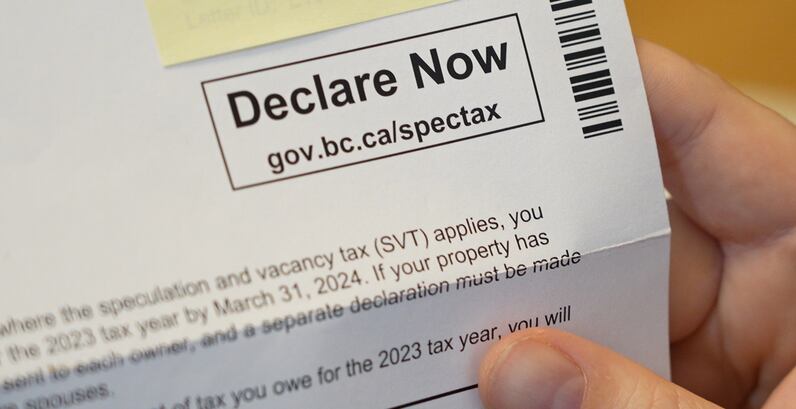
If you own property in British Columbia, the BC Speculation and Vacancy Tax (SVT) is something you can’t afford to ignore. Every year, homeowners in designated taxable regions must complete a BC Speculation Tax Declaration, even if they qualify for an exemption.
At the Adam Lloyd Home Selling Team, we believe informed homeowners make better real estate decisions. Here’s what you need to know about the 2026 BC Speculation and Vacancy Tax declaration process and how it may impact you.
What Is the BC Speculation and Vacancy Tax?
The Speculation and Vacancy Tax is a provincial tax introduced by the Government of British Columbia to reduce empty homes and increase housing supply.
The tax targets residential properties in designated taxable areas that are:
- Not used as a principal residence
- Not rented for at least 6 months of the year
- Owned by certain foreign or satellite families
Who Has to File a Speculation Tax Declaration?
- Primary residence homeowners
- Rental property owners
- Joint property owners (each owner much declare separately)
- Corporations, trusts and partnerships
2026 Declaration Deadlines
Mark these key dates on your calendar:
- Declaration period opens: Mid-January
- Declaration deadline: March 31 (each year)
- Payment deadline, if applicable: Early July
How to File Your BC Speculation Tax Declaration
The easiest way to file is online. You’ll need:
- Letter ID
- Declaration Code
- Social Insurance Number
- Date of Birth
What Happens If You Don’t Declare?
If you miss the deadline:
- You must be assessed the tax automatically
- The highest applicable tax rate may be applied
- Penalties and interest may accrue
- A lien could be registered against your property
How the Speculation Tax Impacts Buyers and Sellers
 From a real estate perspective, here’s what matters:
- Speculation tax debt does not transfer to buyers, but unpaid amounts can result in liens.
- A clean declaration history protects your title and prevents last-minute delays during a sale.
- The BC Speculation Tax is separate from municipal empty home taxes and federal underused housing tax.
Final Thoughts
The BC Speculation and Vacancy Tax isn’t something most homeowners pay but it is something most homeowners must declare.
Staying organized, meeting deadlines, and understanding how the tax applies to your situation helps protect your investment and your equity.
If you have questions about how the BC Speculation Tax affects your property, or you’re considering buying or selling, our team is here to help you navigate it with confidence.
Thinking about a move in Burnaby?
Explore homes in the best school zones and plan your next step with local guidance.
Download the Free Seller’s GuideOr contact the Adam Lloyd Team for a free consultation.