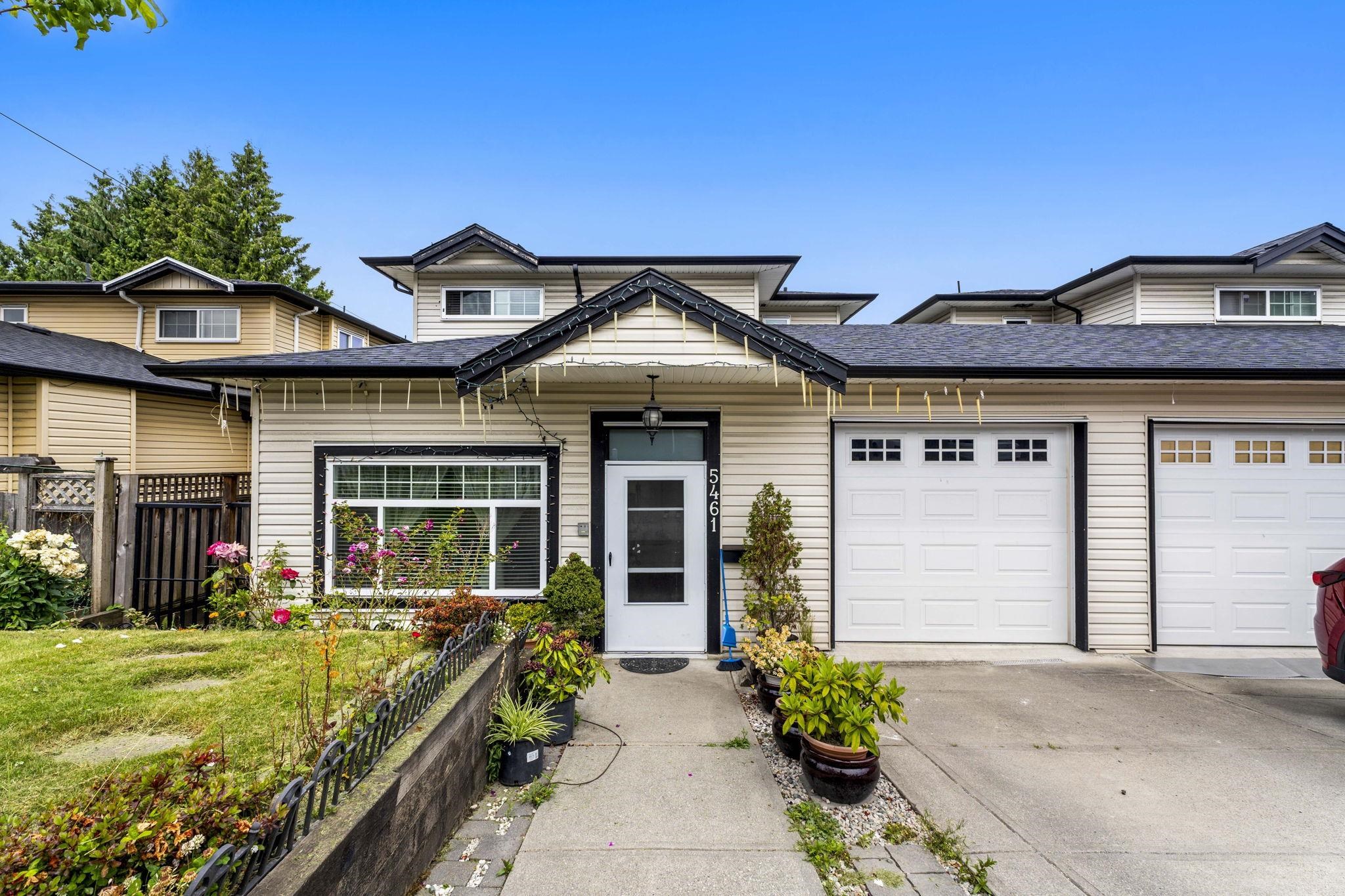


Downsizing your home is a decision more homeowners across Burnaby, New Westminster, and the Lower Mainland are considering as their lifestyles, finances and priorities evolve. Whether you’re an empty nester, looking to reduce maintenance, or simply wanting a home that better fits your current stage of life, downsizing can offer more than just a smaller space—it can create greater financial flexibility, less stress and more freedom.
We’re pleased to welcome back guest contributor, Simone McFarlane, author and creator of Shoestring Parenting, for another article focused on practical, real-life advice for homeowners and families.
In this article, Simone shares practical strategies for downsizing your home, from reducing clutter and managing moving costs to making the transition as smooth as possible. Whether you’re planning a move now or simply exploring your options, these tips can help you make confident decisions for your next chapter.Understanding Downsizing at Home
Downsizing, in family life, means intentionally making your home and your commitments smaller so your days run lighter. At its simplest, downsizing is a way to reduce what you own, what you maintain, and what you pay for each month. It is less about deprivation and more about choosing what truly earns its keep.
It matters because fewer rooms, fewer duplicates, and fewer “nice-to-have” bills can lower household expenses fast. A simpler space is also easier to clean, organize, and manage with kids underfoot. That extra cash and time creates financial flexibility and you can aim at goals that actually change your options.
Picture moving from a larger place to a smaller one, then cutting one storage unit and two subscriptions. The budget gets breathing room, and weekends stop being swallowed by upkeep. Even small reductions can add up when 30% of tasks could be automated by 2030 across work life 30% of work activities globally could be automated by 2030. That flexibility can also support an online RN to BSN plan with realistic time and budgeting tradeoffs.
Turn Downsizing Savings Into a Nursing Degree Upgrade
Once you’ve defined what downsizing looks like in your home, the next step is deciding where the extra breathing room in your budget and schedule should go. One practical “fresh start” move is to redirect the money you’re no longer spending on space, stuff, and upkeep into a degree that opens future opportunities. The same goes for reclaimed time: fewer errands, less cleaning, and simpler routines can become dedicated study blocks.
If you’re honest about the tradeoffs and build a plan that works with your family’s real-life calendar and cash flow. One advantage of earning an online degree is that it can fit around shifts, school drop-offs, and the unpredictability of everyday life. If you’re already a nurse, you can enhance your career and improve patient outcomes by earning an online RN to BSN degree; a neat overview lays out what that path can look like.
Use This 7-Step Downsizing Plan Without Family Meltdowns 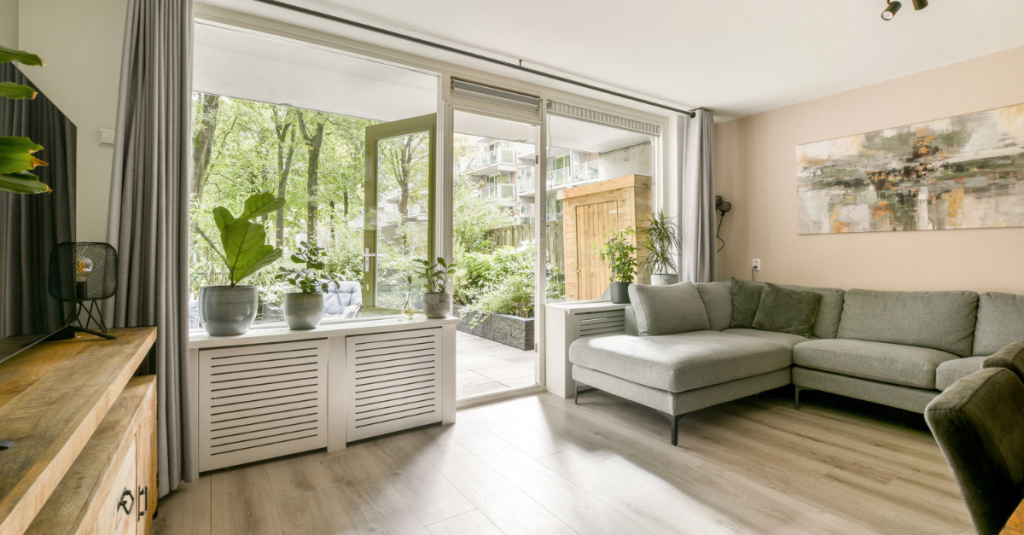
Downsizing goes smoother when everyone knows the plan, the numbers, and the “why.” Use these steps to clear clutter quickly, sell what you don’t need, and protect the budget goals that matter, like freeing up room for an education upgrade.
- Set the “fresh start” target and rules (30 minutes): Write down your reason for downsizing in one sentence (lower stress, less debt, funding a program, more time at home). Then set two house rules: a keep/sell/donate process everyone follows and a weekly decision deadline so piles don’t linger. When the family argues, point back to the target, not personal preferences.
- Do a fast declutter sprint by zones (60–90 minutes a day for 7 days): Pick one zone per day: entry, kitchen, living room, each bedroom, bathrooms, storage. Use three bags/boxes labeled Donate, Sell, Trash, plus a small Maybe bin with a 72-hour timer. This works because you’re shrinking decisions to a single space, which keeps kids from feeling like their whole world is being emptied at once.
- Protect the “can’t-lose” box early: Before you touch sentimental items, gather legal and financial paperwork, IDs, school records, and tiny irreplaceable items into one clearly labeled box. Guidance on gathering items like legal/financial documents is especially helpful here because it prevents the worst-case scenario, losing what’s expensive or impossible to replace mid-move.
- Choose the smaller space by measuring what you’re keeping: Make a “must-keep” list of 10–15 items (your bed, the one couch everyone uses, the table you actually eat at). Then measure your furniture and sketch a quick layout of the new place using room dimensions. This stops the classic downsizing mistake: paying to move furniture that won’t fit, then paying again to get rid of it.
- Sell smart with a 3-tier pricing plan: For each sale item, choose one of three lanes: Quick cash (priced to move in 48 hours), Fair market (priced to sell within 1–2 weeks), Higher value (needs more photos/time, limited to a few items). Set a calendar: list on Friday, respond within an hour when you can, and drop the price every 3–4 days if it’s not moving. You’ll avoid the “forever listings” that drain energy.
- Build a move budget that protects your new priority: Start with a simple spreadsheet: moving truck/labor, packing supplies, deposits, utility setup, cleaning, and a 10% buffer. Create a separate line called Fresh Start Fund, the amount you’re redirecting toward debt payoff or schooling, so moving costs don’t quietly eat it. If money’s tight, decide upfront what you’ll do yourself (packing) versus pay for (heavy lifting) to prevent last-minute splurges.
- Handle the emotional side with a one-box memory limit: Give each person one small “memory box” (kids included) and agree that new items only go in if something else comes out. Take photos of bulky sentimental items before donating and turn the story into a simple keepsake page later. This keeps the love while still making space, and it prevents debates from stalling the whole timeline.
Downsizing Questions Families Ask Most
Create More Breathing Room Through Downsizing and Simple Choices
Final Thoughts
Downsizing your home is not just about moving into a smaller space—it’s about creating a home and lifestyle that better fits where you are today and where you want to go next.
For many homeowners in Burnaby, New Westminster, and across the Lower Mainland, the decision to downsize comes with a mix of excitement and uncertainty. Understanding your options, planning ahead, and knowing the value of your current home can make the transition much smoother.
The right move looks different for everyone. For some, downsizing creates more financial flexibility. For others, it means less maintenance, more time with family, or the opportunity to enjoy a simpler lifestyle. Whatever your reason, having a clear plan can help you make confident decisions. Contact The Adam Lloyd Home Selling Team if you’re exploring Burnaby homes, we can help you understand what’s currently available, where the best value is and how to compete in this price range. Reach out anytime for a no-pressure conversation.Thinking about a move in New Westminster? Burnaby?
Explore homes in the best neighbourhoods and plan your next step with local guidance.
Download the Free Seller’s GuideOr contact the Adam Lloyd Team for a free consultation.